Alfalfa (lucerne) is often called the "queen of forages". It is rich in protein, energy, calcium and vitamins, and animals love its taste. Here is what makes alfalfa hay so valuable and how to feed it to different livestock.
Nutritional value of alfalfa hay
| Nutrient | Typical range (dry matter) |
|---|---|
| Crude protein | 15–22% |
| Acid detergent fibre (ADF) | ≈ 25–35% |
| Neutral detergent fibre (NDF) | ≈ 35–45% |
| Calcium | ≈ 1.2–1.8% |
| Phosphorus | ≈ 0.2–0.3% |
Values depend on the cutting stage: alfalfa cut early (before full bloom) has more protein and less fibre.
Benefits for livestock
- Dairy cows: high protein and calcium support milk production.
- Beef cattle and calves: supports growth and weight gain.
- Horses: palatable, good for working horses and those needing condition – fed in balance with grass hay.
- Sheep and goats: useful in late pregnancy and lactation.
- Camels: widely used in the Gulf region as a key forage.
How to judge alfalfa hay quality
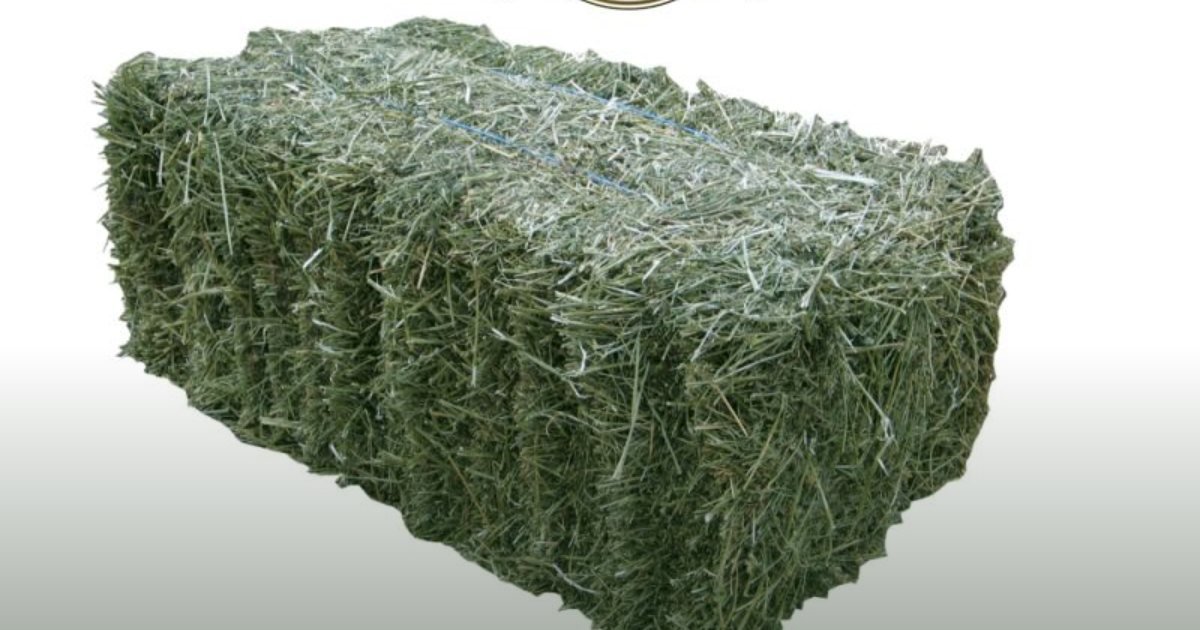
- Colour: bright green shows good drying and storage.
- Leaf content: leaves hold most of the protein – look for leafy bales with few bare stems.
- Smell: fresh and sweet, never musty or mouldy.
- Foreign material: free of weeds, dust, soil and plastic.
- Moisture: usually around 10–14% in baled hay to avoid mould and heating.
Feeding tips
- Introduce alfalfa gradually over 7–10 days to avoid digestive upset.
- Balance with grass hay or straw for animals that do not need high protein.
- For ruminants, monitor bloat risk with fresh lush alfalfa; dry hay carries much lower risk.
- Store bales off the ground, covered and ventilated.
Bales or pellets?
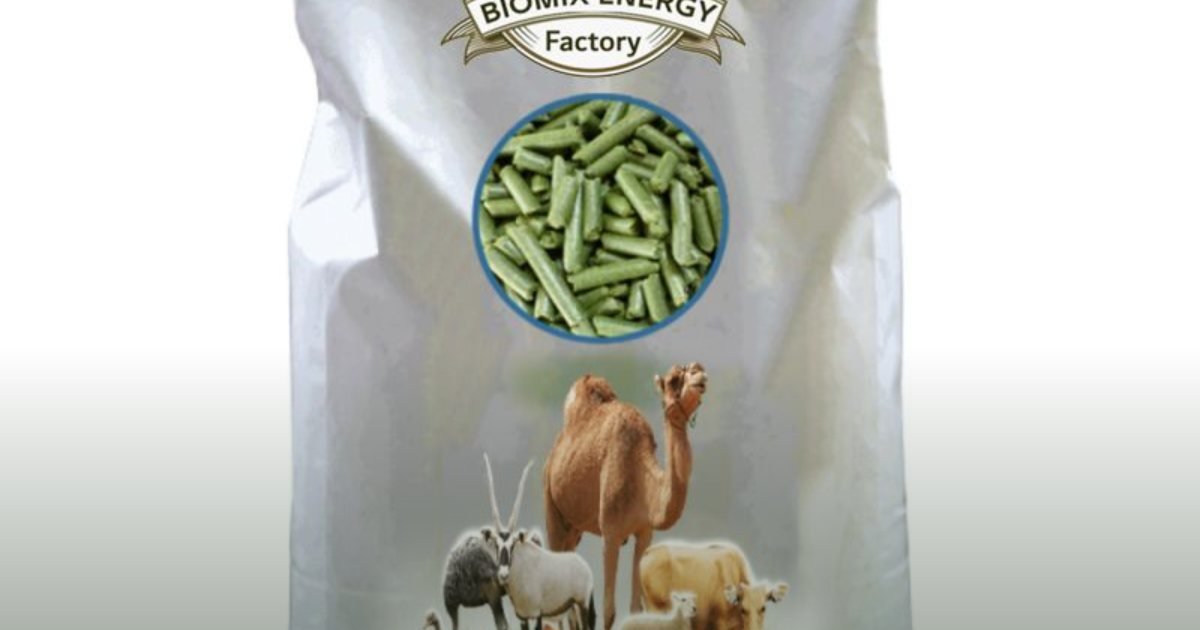
Alfalfa is available as compressed bales and as pellets. Compare both in our article alfalfa pellets vs alfalfa hay. Biomix Energy exports alfalfa bales (ALB001) and alfalfa pellets (AlP002) – see our animal feeding range.
Frequently asked questions
How much protein is in alfalfa hay?
Typically 15–22% crude protein on a dry matter basis, depending on cutting stage and quality.
Is alfalfa good for horses?
Yes, in the right amounts. It is ideal for working, growing or lactating horses, usually fed together with grass hay.
Can alfalfa replace concentrates?
High-quality alfalfa can reduce the need for protein concentrates, especially for dairy cattle, but rations should be balanced by a nutritionist.
How should alfalfa bales be stored?
Off the ground, under cover, in a dry and ventilated area, away from direct rain and sun.
Need a quote from Biomix Energy?
We manufacture and export wood pellets, firewood, wood chips, charcoal, olive pits, animal bedding and alfalfa from our factory in Damietta, Egypt. Tell us the product, quantity and destination port and we will reply with specifications and a price.