Wood shavings are one of the most popular bedding materials in the world. They are soft, absorbent, easy to handle and compost well. But not all shavings are equal – dust, moisture and wood type make a big difference to animal health.
Why use wood shavings?
- Comfort: soft, springy bed for lying and standing.
- Absorbency: soaks up urine and keeps animals dry.
- Hygiene: kiln drying reduces bacteria and mould.
- Easy mucking out: wet areas are easy to spot and remove.
- Compostable: used bedding becomes a good soil improver.
What to look for
Dust-extracted
Fine dust can irritate the airways of horses, poultry and small pets. Quality shavings are screened to remove dust.
Kiln-dried
Kiln drying lowers moisture and reduces mould and bacteria. Dry shavings also absorb more.
Clean softwood
Pine and spruce shavings are standard. Avoid shavings from treated wood, painted wood or black walnut (toxic to horses).
Flake size
Large flakes are preferred for horses (less dust, comfortable bed); medium flakes are good for poultry and small animals.
How much bedding do you need?
| Animal | Typical depth | Notes |
|---|---|---|
| Horse stall | 10–15 cm | Deeper banks along walls |
| Broiler poultry | 5–10 cm | Keep dry; top up regularly |
| Calves | 10+ cm | Dry lying area is essential |
| Small pets | 3–5 cm | Change frequently |
Shavings vs pellets vs straw
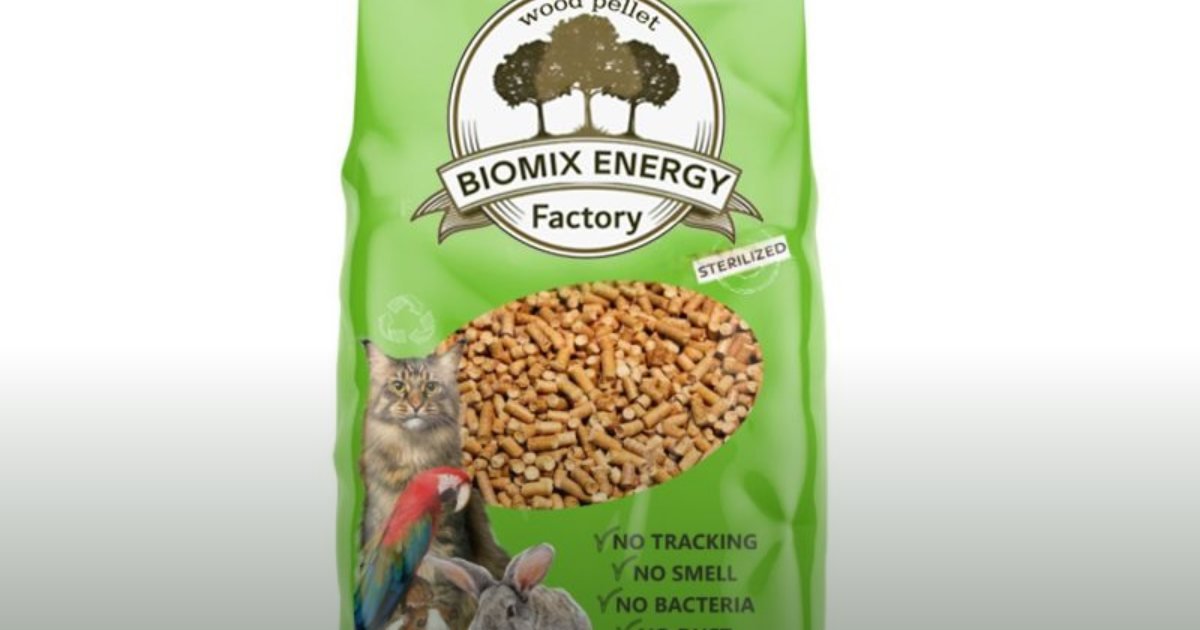
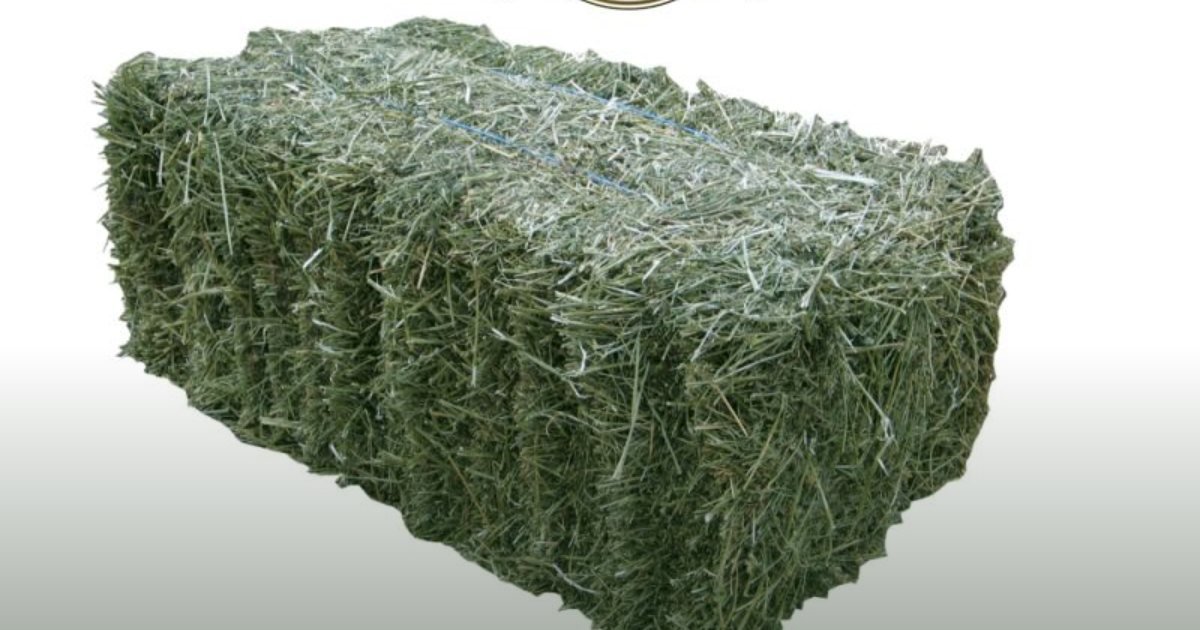
Shavings give a soft bed immediately. Pellet bedding absorbs more and produces less waste. Straw is cheap in some regions but more dusty and less absorbent. Many stables use pellets as a base layer with shavings on top.
Packaging and export
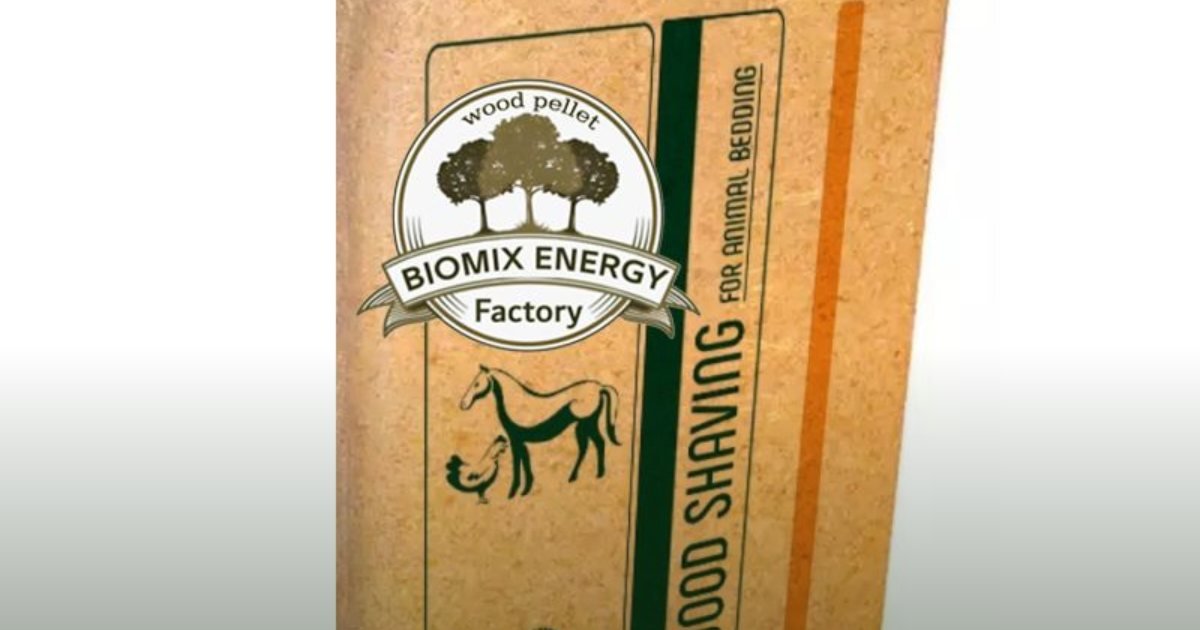
Shavings are compressed into bales or bags to reduce volume for transport. Compressed bales expand when opened, so one bale covers far more area than its size suggests.
Biomix Energy supplies bedding wood shavings (WS004) and other animal bedding products for farms, stables and distributors.
Frequently asked questions
Are pine shavings safe for horses?
Yes, clean kiln-dried pine shavings are widely used and safe. Avoid shavings from treated wood or black walnut.
How often should shavings be changed?
Remove droppings and wet spots daily and top up as needed. A full strip-out frequency depends on the animal and management system.
Are wood shavings good for chickens?
Yes, dust-extracted pine shavings are a popular poultry litter because they absorb moisture and are comfortable.
What is the difference between shavings and sawdust?
Shavings are larger flakes from planing wood; sawdust is fine particles from cutting. Shavings are less dusty and better for bedding.
Need a quote from Biomix Energy?
We manufacture and export wood pellets, firewood, wood chips, charcoal, olive pits, animal bedding and alfalfa from our factory in Damietta, Egypt. Tell us the product, quantity and destination port and we will reply with specifications and a price.