Every olive oil season produces huge amounts of olive pits – the hard stones left after pressing. Cleaned and dried, these olive kernels become an excellent biomass fuel with a heat value close to wood pellets and often at a lower price. Here is what you need to know.
What are olive pits (olive kernels)?
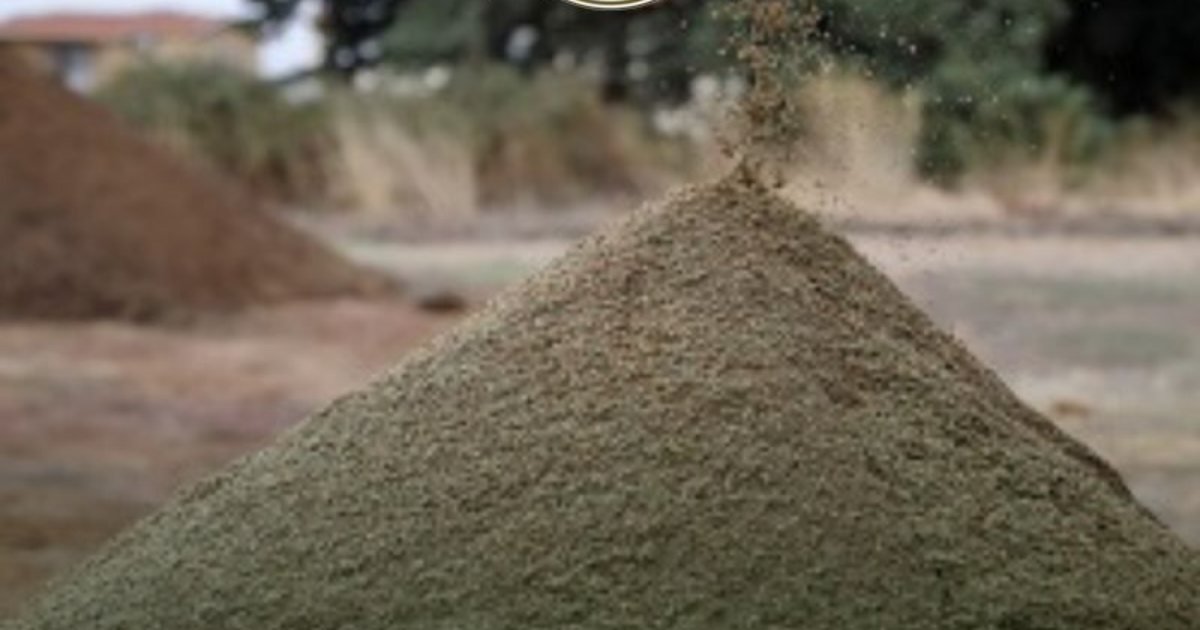
After olives are crushed for oil, the remaining olive pomace is processed to separate the hard stone fragments. These fragments are washed, dried and screened to create a granular fuel, often 2–8 mm in size. Because they come from a by-product, they turn agricultural waste into renewable energy.
Fuel properties
| Property | Typical value (cleaned & dried) |
|---|---|
| Calorific value | ≈ 17–19 MJ/kg (≈ 4.7–5.3 kWh/kg) |
| Moisture | Below 12% |
| Ash | Around 1–2% |
| Bulk density | High, often 650–750 kg/m³ |
| Particle size | Granular, roughly 2–8 mm |
Values vary by olive variety and processing, so always ask for a lab analysis of the batch you buy.
Why use olive pits?
- High energy density – comparable to wood pellets.
- Cost-effective – often cheaper per kWh than pellets.
- Flows easily – the granular form suits automatic feeding systems.
- Renewable – made from a waste stream of the olive oil industry.
- Long storage life – when kept dry, olive pits keep well.
Where olive pits are used
Olive kernels are used in multi-fuel and biomass boilers for homes, greenhouses, hotels, bakeries and factories. Some pellet stoves accept them, but check with the manufacturer: ash and burn behaviour differ from wood pellets, and burner settings may need adjusting.
Tips for buyers
- Ask for washed and dried pits – residual oil and pulp cause smoke and smell.
- Check moisture (under 12%) and ash.
- Request a sample before ordering in volume.
- Agree packaging: big bags or bulk for industry, smaller bags for retail.
Frequently asked questions
Can I burn olive pits in a pellet stove?
Some stoves accept them, especially multi-fuel models. Check the manual and adjust air settings; olive pits have different ash and flow behaviour from wood pellets.
Do olive pits smell when burning?
Properly washed and dried olive pits burn with little smell. Pits with leftover oil or pulp can smoke and smell.
Are olive pits cheaper than wood pellets?
Often yes per kWh, depending on region and season, because they are a by-product of olive oil production.
What is the heat value of olive pits?
Typically around 17–19 MJ/kg when clean and dry, similar to wood pellets.
Need a quote from Biomix Energy?
We manufacture and export wood pellets, firewood, wood chips, charcoal, olive pits, animal bedding and alfalfa from our factory in Damietta, Egypt. Tell us the product, quantity and destination port and we will reply with specifications and a price.