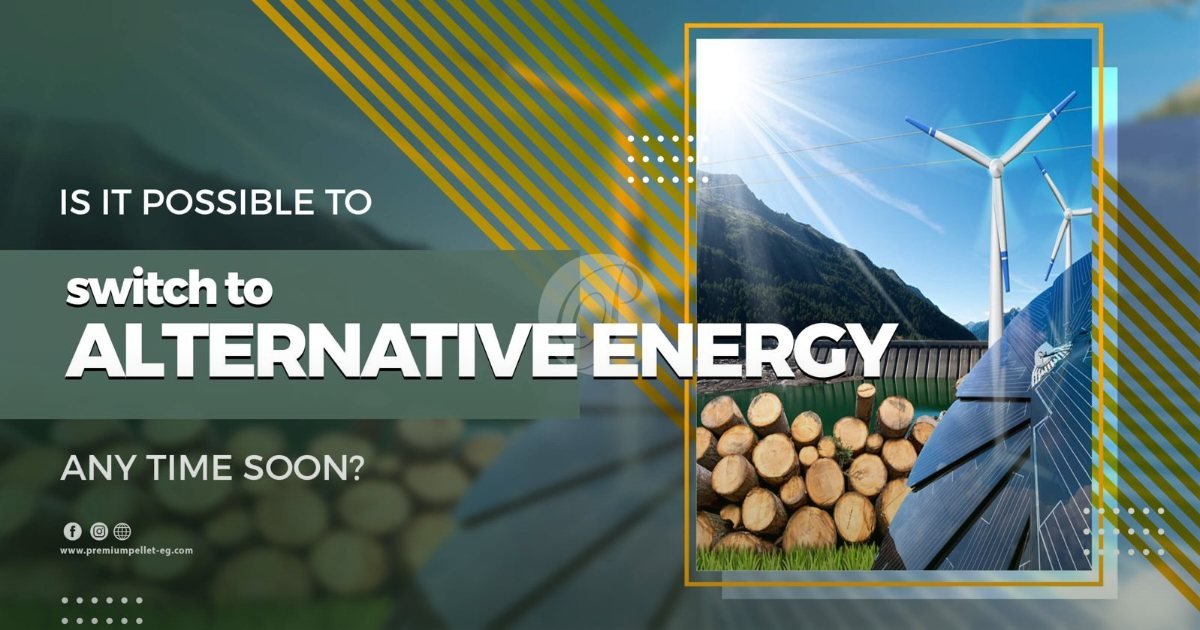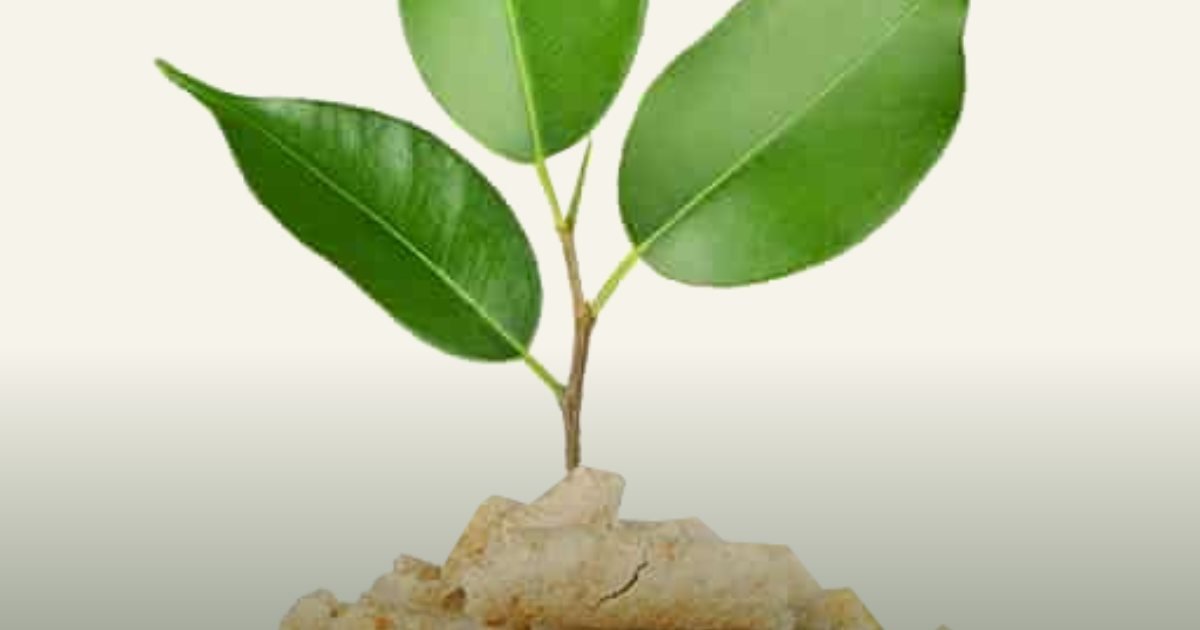
Wood pellets are promoted as a renewable alternative to fossil fuels. But how green are they really? The honest answer: it depends on where the wood comes from, how the pellets are made and how they are burned. Here are the facts.
The carbon cycle
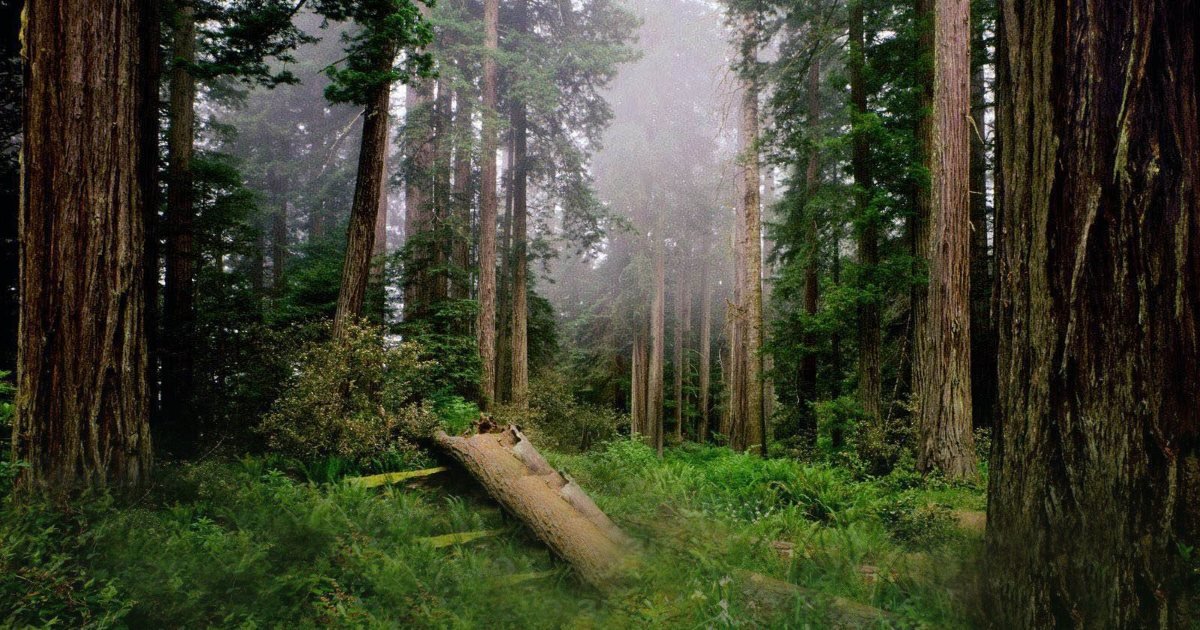
Trees absorb CO₂ as they grow. When wood is burned, that carbon returns to the air; when forests regrow, it is absorbed again. Fossil fuels, by contrast, release carbon that was locked underground for millions of years. That is why biomass from sustainably managed sources is considered renewable.
Why sourcing matters
The climate benefit is greatest when pellets are made from residues – sawdust, shavings and off-cuts from sawmills and wood processing – that would otherwise be wasted, or from forests that are managed so that growth exceeds harvest. Certification schemes such as FSC and PEFC help verify responsible sourcing.
Pellets vs fossil fuels
| Wood pellets | Heating oil / gas | |
|---|---|---|
| Source | Renewable (if sustainably sourced) | Fossil |
| Lifecycle CO₂ | Much lower when made from residues | High |
| Sulphur | Very low | Higher for oil |
| Local economy | Uses local wood residues | Often imported |
| Spill risk | None – solid, non-toxic | Oil spills possible |
Air quality and emissions
Any combustion produces some particulate matter. Modern certified pellet stoves and boilers burn far cleaner than open fires or old log stoves because air and fuel are controlled. Using certified, low-ash pellets and servicing the appliance keeps emissions low.
Turning waste into energy
Pellets give value to by-products that might otherwise be dumped or burned in the open. The same idea applies to other biomass such as olive pits and agricultural residues.
How to choose sustainable pellets
- Look for FSC or PEFC sourcing claims and ENplus quality certification.
- Prefer pellets made from residues or responsibly managed forests.
- Buy from a nearby producer where possible to cut transport emissions.
- Use an efficient, well-maintained appliance.
Learn more about biomass energy in Egypt or see Biomix Energy's certificates.
Frequently asked questions
Are wood pellets carbon neutral?
Pellets from residues and sustainably managed forests have a much lower carbon footprint than fossil fuels. Production and transport add some emissions, so they are best described as low-carbon.
Do wood pellets cause deforestation?
Responsible pellet production uses sawmill residues and certified forests. Sourcing certification such as FSC helps buyers avoid wood from deforestation.
Are pellet stoves bad for air quality?
Modern certified pellet stoves have far lower particulate emissions than open fireplaces and old wood stoves.
Is wood pellet ash useful?
Clean wood ash contains minerals and can be used in small amounts in gardens or compost, away from food crops if in doubt.
Need a quote from Biomix Energy?
We manufacture and export wood pellets, firewood, wood chips, charcoal, olive pits, animal bedding and alfalfa from our factory in Damietta, Egypt. Tell us the product, quantity and destination port and we will reply with specifications and a price.