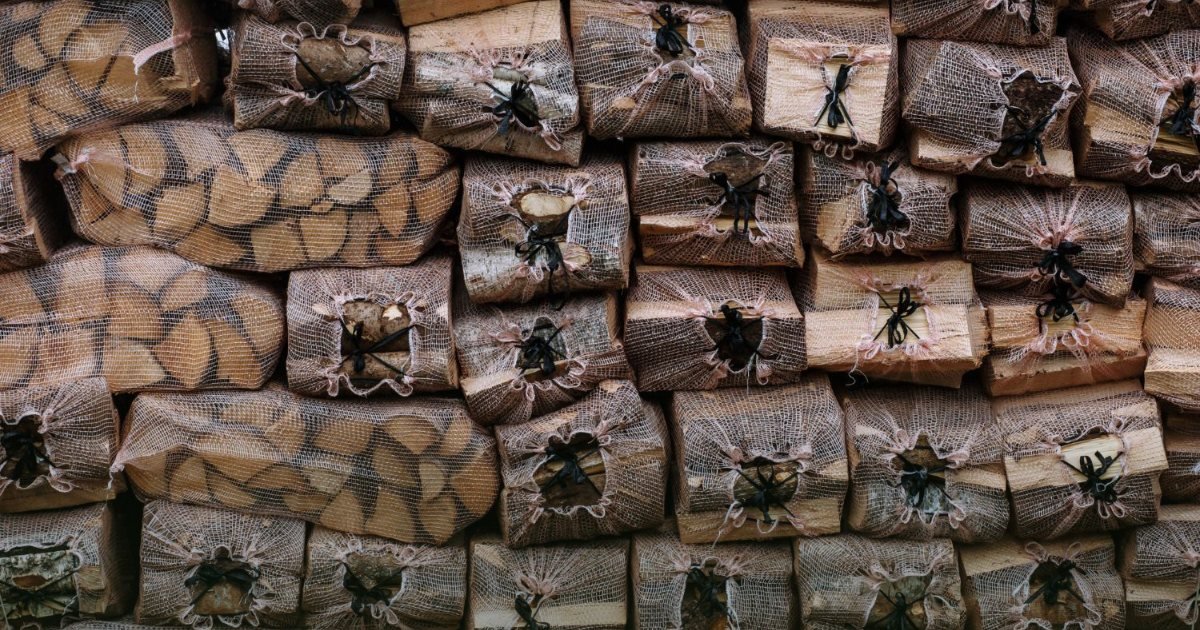
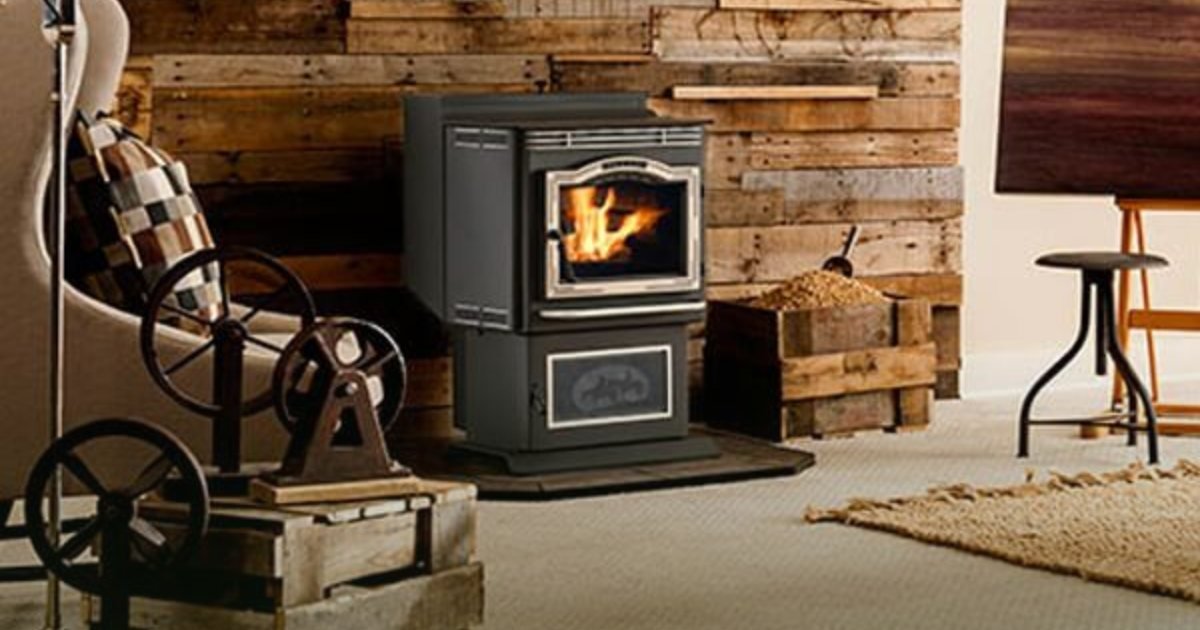
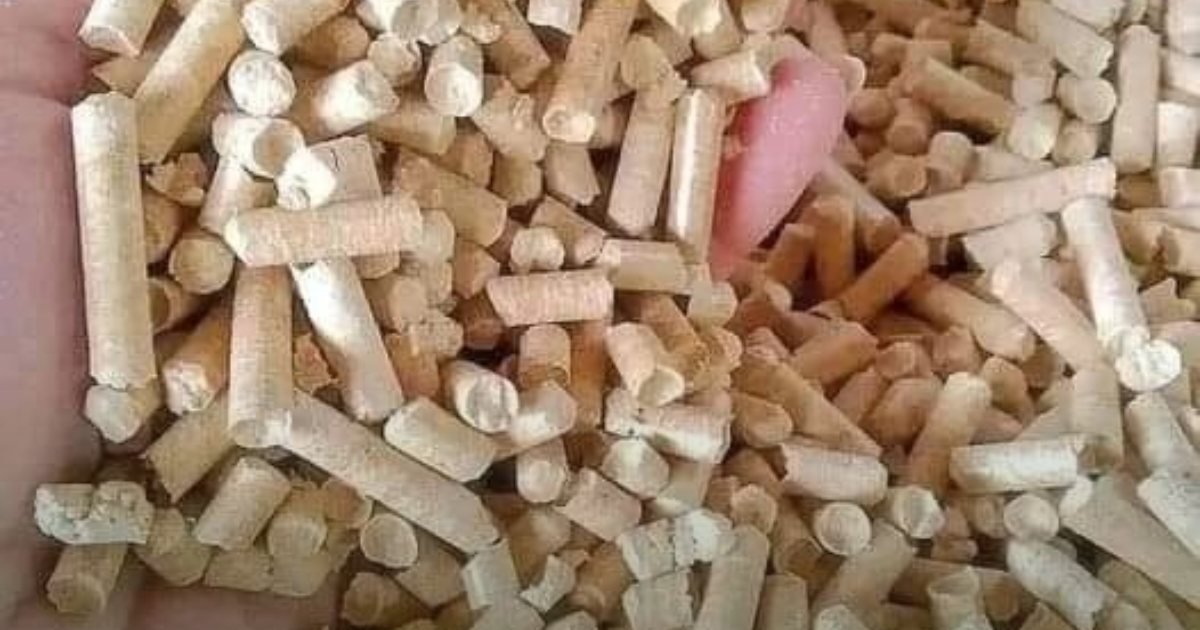
Wood pellets and firewood both turn wood into heat, but they are very different fuels. Pellets are dense, dry and uniform; firewood is natural, traditional and cheaper per tonne in many markets. Which one is better depends on your appliance, your space and how much work you want to do.
Quick comparison
| Factor | Wood pellets | Firewood (seasoned) |
|---|---|---|
| Moisture | Below 10% | 15–20% (kiln-dried) to 25%+ |
| Energy | ≈ 4.7–5.0 kWh/kg | ≈ 3.8–4.2 kWh/kg |
| Storage space | Compact (650+ kg/m³) | Bulky (stacked logs need 2–3× space) |
| Feeding | Automatic hopper | Manual loading |
| Ash | Under 1% (A1 under 0.7%) | Typically 1–2% |
| Efficiency of appliance | 80–90%+ | 60–80% (modern stoves) |
| Atmosphere | Small visible flame | Classic crackling fire |
Heat output and efficiency
Pellets are made from wood dried below 10% moisture and compressed, so each kilogram carries more usable energy than most firewood. Pellet stoves and boilers also control air and fuel automatically, which keeps combustion efficient. Firewood can be very efficient too – but only if it is properly dry. Wet logs waste energy boiling off water and produce smoke and creosote.
Convenience
This is where pellets win clearly. A pellet stove has a hopper that holds one or more days of fuel, a thermostat and often a timer or app. A log stove needs regular loading and adjusting. If you want "set and forget" heating, pellets are the better fuel.
Storage and handling
A tonne of pellets in 15 kg bags fits on a single pallet. The same energy in firewood needs a much larger, covered and ventilated woodshed. Pellets are also cleaner to carry indoors – no bark, insects or splinters.
Cost
Price per tonne varies by country and season. Firewood is often cheaper per tonne, but compare cost per kWh, not per tonne, and include appliance efficiency. In many European markets the two fuels are close; pellets become more attractive where labour, storage and convenience count.
Emissions
Both are renewable when wood comes from sustainably managed sources. Modern pellet appliances usually produce much lower fine-particle emissions than open fireplaces and older log stoves, because combustion is controlled.
Which should you choose?
- Choose pellets if you want automatic, clean, low-maintenance heating and have limited storage space.
- Choose firewood if you love a real log fire, have space to store and dry logs, and own a log stove or fireplace.
- Restaurants and pizza ovens often use high-quality hardwood firewood for flavour – see our Premium Firewood.
Biomix Energy supplies both: premium wood pellets and kiln-dried firewood for export.
Frequently asked questions
Do wood pellets burn hotter than firewood?
Per kilogram, pellets usually contain more usable energy because they are drier and denser. Flame temperature depends on the appliance, but pellet stoves deliver very steady heat.
Can I burn pellets in a wood stove?
Not loose in a standard log stove, as they need a grate designed for small fuel. Pellet baskets exist, but a dedicated pellet stove works best.
Is firewood cheaper than pellets?
Often per tonne, but compare cost per kWh including appliance efficiency, storage and labour. The difference is frequently smaller than expected.
How dry should firewood be?
Below 20% moisture. Kiln-dried firewood is often 15–20%, which burns cleanly and gives more heat.
Need a quote from Biomix Energy?
We manufacture and export wood pellets, firewood, wood chips, charcoal, olive pits, animal bedding and alfalfa from our factory in Damietta, Egypt. Tell us the product, quantity and destination port and we will reply with specifications and a price.