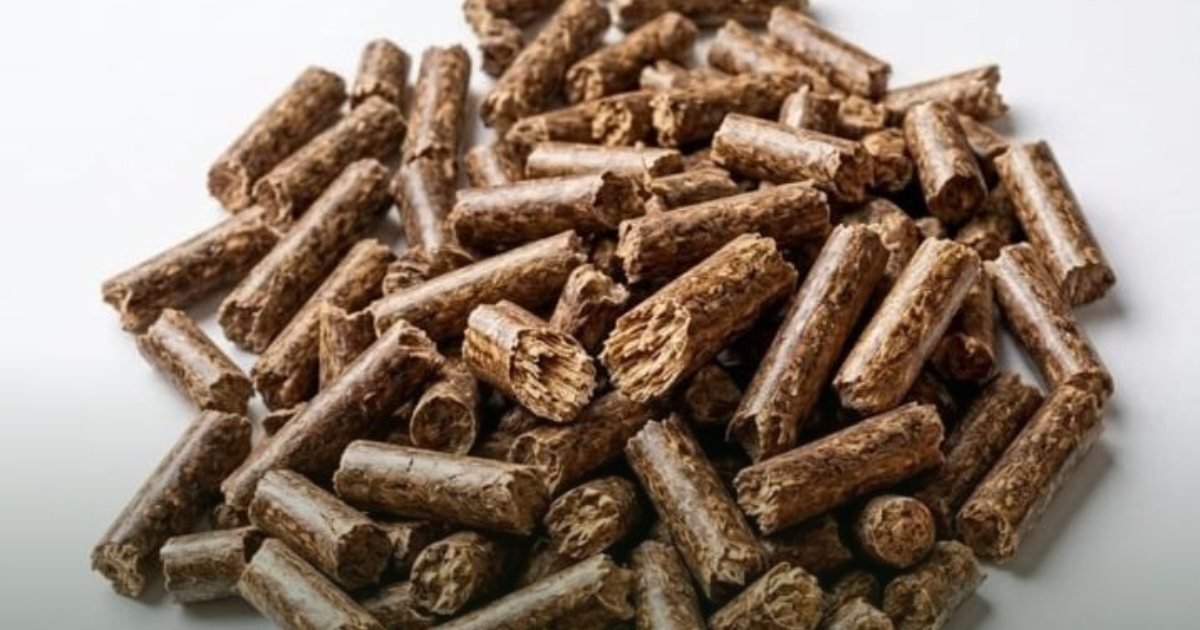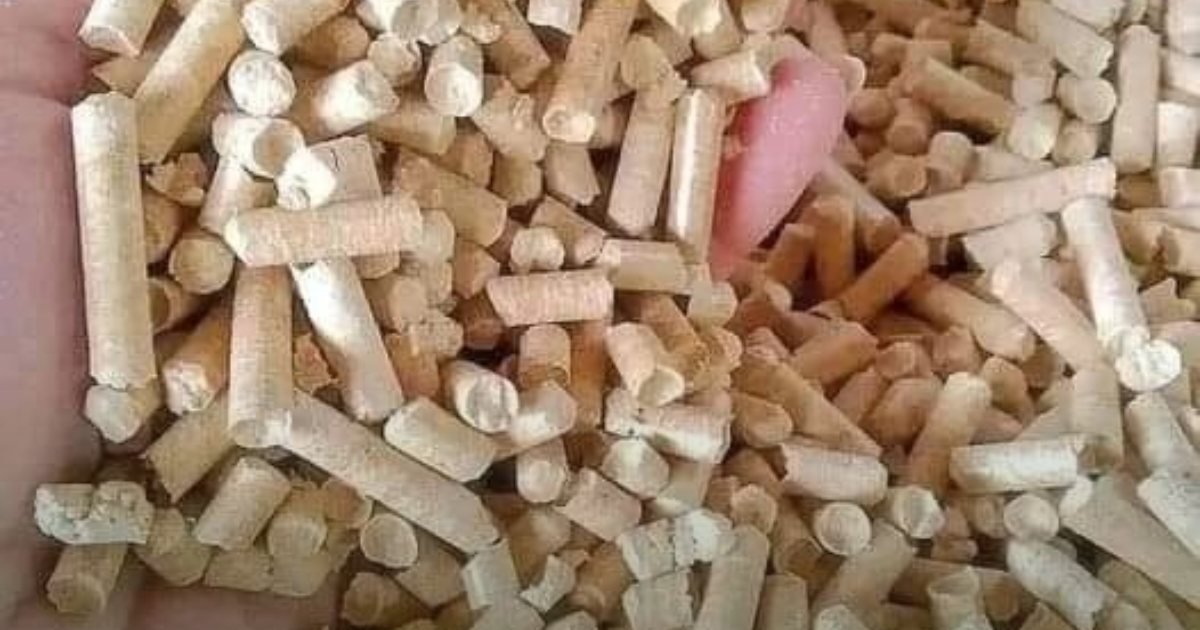
Cheap pellets that leave clinker in your burn pot or turn to dust in the bag cost more in the end. Whether you buy one pallet for your home or containers for distribution, these eight checks will help you choose high-quality wood pellets.
1. Check the certification
Look for ENplus or DINplus marks with a valid company ID, or at least a recent lab report showing ISO 17225-2 values. Read our guide to ENplus A1 vs A2 vs B to understand the grades.
2. Ash content
For stoves, ash should be under 0.7% (A1). Higher ash means more cleaning and a higher risk of clinker. After burning a bag, you should see only a small amount of fine grey ash.
3. Dust and fines
Open a bag and pour it out. Some dust is normal after transport, but fines should be around 1% or less. A lot of dust means low mechanical durability – the pellets will break in the auger and feed unevenly.
4. Moisture
Good pellets are below 10% moisture. Pellets that look swollen, cracked or soft have absorbed water. Never accept pellets from wet or torn bags.
5. Length and diameter
Most stoves need 6 mm pellets. Length should mostly be 10–30 mm. Very long pellets can jam augers; too many short pieces burn too fast.
6. Colour and smell
Colour depends on wood species – light pellets are often pine or debarked softwood, darker pellets can be hardwood or contain bark. Colour alone does not prove quality, but pellets should smell of fresh wood, not mould or chemicals.
7. The water test
Put a handful of pellets in a glass of water. Pure wood pellets swell and fall apart into sawdust within a few minutes. Pellets that stay hard or leave an oily film may contain unwanted additives.
8. Supplier reliability
- Can the supplier provide lab reports for recent batches?
- Do they produce or only trade?
- Can they guarantee consistent quality across shipments?
- Do they offer inspection (for example SGS) before loading?
| Check | Good sign | Warning sign |
|---|---|---|
| Ash | < 0.7%, fine powder | Hard clinker lumps |
| Dust | Little dust in bag | Thick layer of sawdust |
| Surface | Smooth and glossy | Cracked, rough, swollen |
| Smell | Fresh wood | Musty or chemical |
| Documents | Recent lab analysis | No test data available |
Biomix Energy produces premium 6 mm wood pellets in 15 kg bags and big bags, with lab-tested specifications and international certificates. Contact us for the latest analysis.
Frequently asked questions
What are the best wood pellets for a pellet stove?
ENplus A1 (or equivalent) 6 mm pellets with ash under 0.7%, moisture under 10% and durability of at least 98%.
Why do my pellets leave clinker?
Clinker forms when ash melts. It is usually caused by high ash content, bark or sand in the raw material, or a burner set with too little air.
Are darker pellets worse than light ones?
Not always. Colour depends on the wood species and process. Judge pellets by ash, dust and lab data, not colour alone.
How many bags of pellets are on a pallet?
A typical pallet holds 65–70 bags of 15 kg, about 975–1,050 kg.
Need a quote from Biomix Energy?
We manufacture and export wood pellets, firewood, wood chips, charcoal, olive pits, animal bedding and alfalfa from our factory in Damietta, Egypt. Tell us the product, quantity and destination port and we will reply with specifications and a price.